
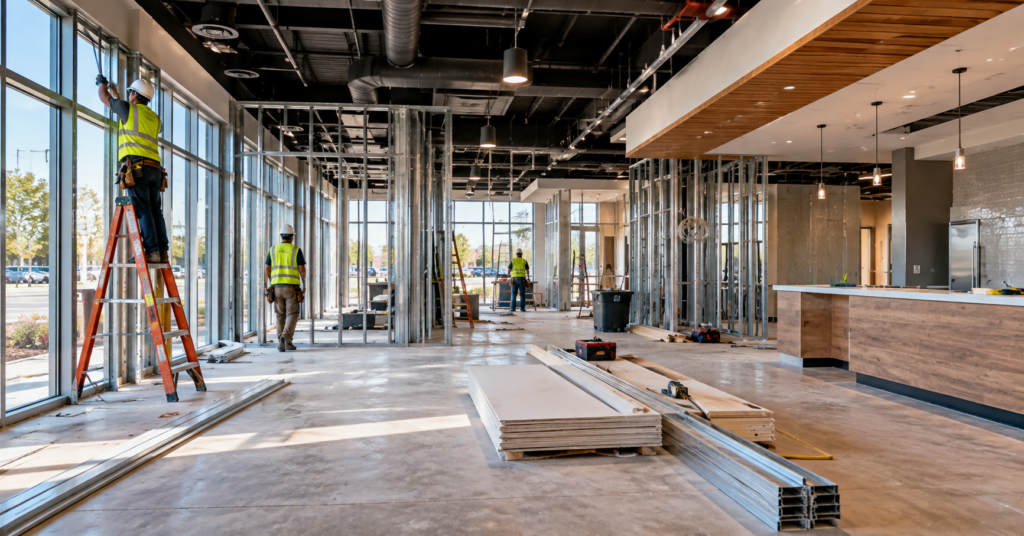
Commercial tenant improvement projects play an important role in creating functional, attractive, and productive spaces for businesses. Whether a company is moving into a new office, updating a retail location, or customizing a warehouse, tenant improvements allow a property to better meet the needs of the occupants. These projects often involve renovations, upgrades, and modifications that improve the usability of a commercial space while increasing its overall value. Understanding the process, responsibilities, and potential challenges can help both property owners and tenants make informed decisions and achieve successful results.
Understanding Commercial Tenant Improvements
Commercial tenant improvements, often called TIs, are modifications made to a leased space to prepare it for a tenant’s specific needs. These improvements may include interior renovations, electrical upgrades, flooring, lighting, plumbing changes, office layouts, or customized finishes. The goal is to create a space that supports the tenant’s operations while improving the functionality and appeal of the property.
Why Tenant Improvements Are Important
A commercial space that fits a business’s needs can have a significant impact on productivity, customer experience, and employee satisfaction. Tenant improvements allow businesses to create environments that reflect their brand, improve workflow, and accommodate specialized requirements. For property owners, well-designed improvements can increase the attractiveness of a building and help retain valuable tenants.
Establishing Clear Responsibilities Between Owners and Tenants
One of the most important steps in any tenant improvement project is defining who is responsible for specific costs, decisions, and construction tasks. Lease agreements should clearly outline which improvements are covered by the property owner, which are paid for by the tenant, and how approvals will be handled. Clear communication prevents misunderstandings and helps both parties stay aligned throughout the project.
Creating a Detailed Project Plan
A successful tenant improvement project begins with careful planning. Owners and tenants should establish project goals, design requirements, budgets, and timelines before construction begins. A detailed plan helps identify potential challenges early and provides a roadmap for completing the work efficiently. Working with experienced architects, designers, and contractors can help ensure that the project meets expectations.
Setting a Realistic Budget
Budgeting is a critical part of commercial renovations. Costs can vary depending on the size of the space, materials selected, complexity of the design, and required upgrades. Tenants should consider not only construction expenses but also permits, design fees, furniture, technology needs, and unexpected costs. A realistic budget helps prevent delays and ensures that financial decisions are made strategically.
Understanding Lease Agreements and Allowances
Many commercial leases include tenant improvement allowances, which provide funds to help cover renovation expenses. The terms of these allowances vary and may include specific requirements regarding approved improvements, reimbursement procedures, and deadlines. Tenants should carefully review lease terms and work with owners to understand what expenses qualify for coverage.
Navigating Permits and Building Requirements
Commercial tenant improvements often require permits and must comply with local building codes, safety regulations, and accessibility standards. Depending on the scope of work, approvals may be needed for electrical, plumbing, structural, or occupancy changes. Proper planning and coordination with local authorities help prevent delays and ensure the finished space meets all requirements.
Choosing the Right Construction Team
Selecting an experienced contractor is essential for keeping a tenant improvement project on track. Commercial construction requires knowledge of regulations, scheduling, budgeting, and coordination with multiple professionals. A qualified contractor can manage the construction process, communicate effectively with stakeholders, and help resolve challenges that arise during the project.
Designing a Space That Supports Business Goals
Tenant improvements should focus on more than appearance. The design should support how the business operates and create a space that improves efficiency. Office tenants may need collaborative work areas, conference rooms, and technology integration, while retail businesses may prioritize customer flow, displays, and branding. A thoughtful design ensures the space works well for its intended purpose.
Incorporating Energy-Efficient Upgrades
Many tenant improvement projects provide opportunities to improve energy efficiency. Upgrades such as LED lighting, efficient HVAC systems, improved insulation, and smart building controls can reduce operating costs and create a more sustainable workplace. These improvements may benefit both tenants through lower expenses and owners through increased property value.
Managing Construction Disruptions
Commercial renovations can affect business operations, especially when work takes place in occupied buildings. Proper scheduling, communication, and planning are essential for minimizing disruptions. Construction teams can often complete work in phases, coordinate around business hours, and establish safety procedures to help maintain productivity during the renovation process.
Maintaining Communication Throughout the Project
Strong communication between property owners, tenants, contractors, and designers is essential for a successful outcome. Regular updates help identify issues quickly and keep everyone informed about progress, budget changes, and scheduling adjustments. Open communication builds trust and allows decisions to be made efficiently when unexpected situations occur.
Preparing for Future Needs
A well-designed tenant improvement project should consider both current and future business needs. Flexible layouts, adaptable technology systems, and durable materials can help a space remain useful as the company grows and changes. Planning for future needs can reduce the need for additional renovations and create a more valuable commercial environment.
Protecting the Long-Term Value of the Property
For property owners, tenant improvements can be an investment in the future performance of a commercial property. Attractive, functional spaces are more likely to attract and retain quality tenants. Well-executed improvements can enhance the building’s reputation, increase competitiveness in the market, and contribute to long-term property value.
Creating Successful Commercial Spaces
Commercial tenant improvement projects require collaboration, planning, and careful decision-making from both owners and tenants. By understanding responsibilities, establishing realistic budgets, choosing experienced professionals, and focusing on functional design, businesses can create spaces that support success. For property owners, thoughtful improvements can strengthen tenant relationships and protect the value of their investments. A well-managed tenant improvement project benefits everyone by creating a commercial space that is efficient, attractive, and built to meet the needs of today’s businesses.