Design-Build vs. General Contractor
Understanding the difference — and why it matters more than most homeowners realize.
It’s the question that sits behind almost every major remodeling decision: should I invest in improving this home, or should I sell it and find something better? It’s a real question that deserves a real answer — not a sales pitch from a contractor who wants your business or a realtor who wants your listing.

What Is a Design-Build Firm?
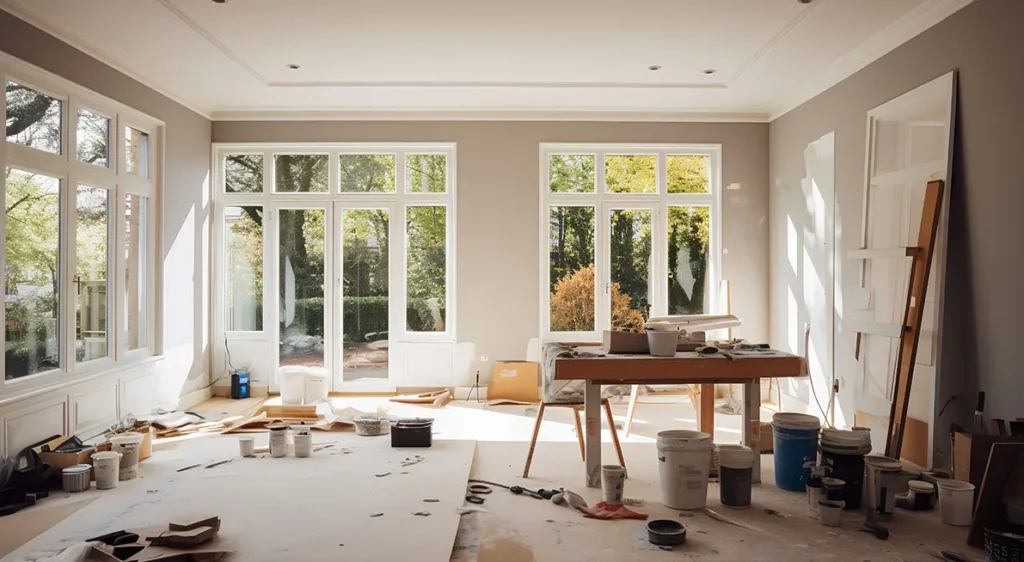
A design-build firm manages the entire project — from initial vision and design through permitting and construction — under one roof, one contract, and one accountable team. The same company that designs your kitchen is the company that builds it. Your project manager, your designer, and your construction team are all part of the same organization, communicating with each other daily.
The result: no gaps between what was designed and what got built. No finger-pointing between separate parties. One point of contact. One set of expectations. One team that owns the outcome from the first sketch to the final walkthrough.
The result: no gaps between what was designed and what got built. No finger-pointing between separate parties. One point of contact. One set of expectations. One team that owns the outcome from the first sketch to the final walkthrough.
What Is a General Contractor?
A general contractor manages the construction phase of a project — but typically not the design phase. In the traditional model, you hire a designer or architect first (a separate contract, a separate fee), then bring those plans to a general contractor who bids on construction. Two separate parties. Two separate contracts. Two separate sets of accountability.
The general contractor coordinates subcontractors and manages the build, but they’re working from someone else’s plans — and if something in those plans doesn’t work in the real world, the coordination required to resolve it involves both parties, both contracts, and typically, a change order.
The general contractor coordinates subcontractors and manages the build, but they’re working from someone else’s plans — and if something in those plans doesn’t work in the real world, the coordination required to resolve it involves both parties, both contracts, and typically, a change order.

SIDE BY SIDE COMPARISON
FACTOR
- Accountability
- Communication
- Budget control
- Timeline
- Change orders
- Design quality
- Contracts
- Stress level
GENERAL CONTRACTOR
- Split between designer and builder — finger-pointing when problems arise
- Homeowner coordinates between separate designer and builder
- Design is often finalized before real costs are known — surprises common
- Design, bid, redesign, rebid cycle adds weeks or months
- Changes require re-engaging both the designer and the contractor
- Plans designed without construction input — sometimes unbuildable as drawn
- Two separate contracts — separate liability, separate warranties
- Homeowner acts as project manager between multiple parties
DESIGN-BUILD (PRO WORK)
- Single team, single contract — one party accountable for everything
- One point of contact manages all communication throughout
- Budget is built into the design phase — no disconnect between vision and reality
- Design and pre-construction overlap — faster path to construction
- Changes handled by one integrated team — faster and less expensive
- Designers and builders collaborate — what gets designed can actually be built
- One contract covering design through final delivery
- Homeowner makes decisions — Pro Work manages everything else
Why Most Remodeling Problems Start With the Model
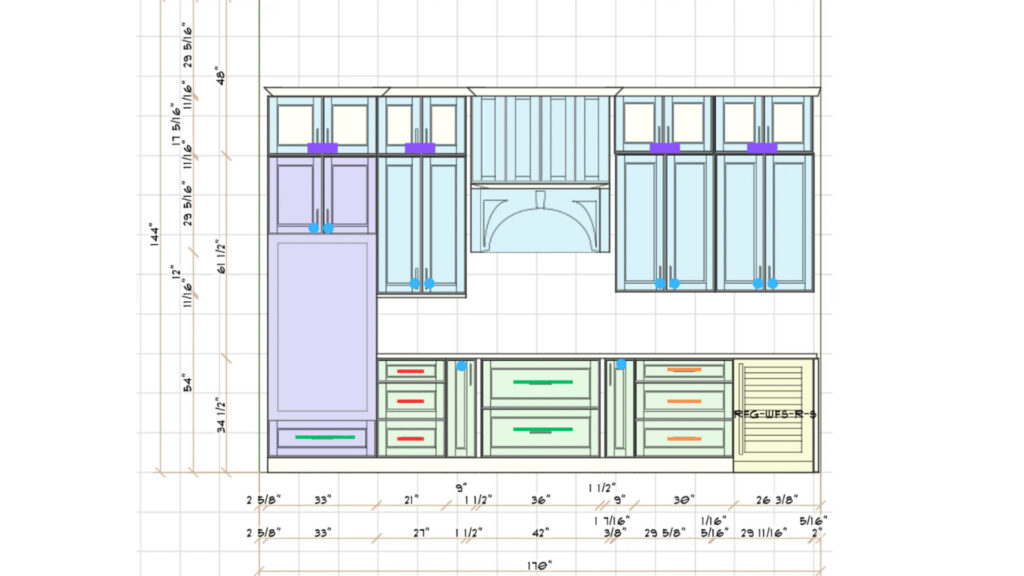
Most remodeling horror stories don’t come from bad workmanship. They come from a bad structure. When design and construction are separate, problems arise at the handoff. The contractor builds what the plans say — even when what the plans say isn’t what the homeowner actually wanted. The designer specifies materials the contractor can’t source in the right timeline. The budget agreed upon during design doesn’t survive contact with the contractor’s bid. And when things go wrong, everyone points at everyone else.
The design-build model closes the gap where these problems live. When the same team designs and builds your project, there’s nowhere for accountability to hide — and no incentive to finger-point. The outcome is the team’s outcome. That changes how decisions get made.
The design-build model closes the gap where these problems live. When the same team designs and builds your project, there’s nowhere for accountability to hide — and no incentive to finger-point. The outcome is the team’s outcome. That changes how decisions get made.
How Pro Work Delivers This:
Pro Work operates exclusively as a design-build firm. Every project we take on is designed, permitted, and built by the same integrated team — with one project manager as your single point of contact from the first call to the final walkthrough. We built this model specifically because we’ve seen what happens when it doesn’t exist.
When a General Contractor Might Be the Right Choice
To be fair — and to help you make the right decision — there are situations where the general contractor model makes sense. If you already have a completed, fully detailed design from an architect you trust and simply need someone to execute it, a well-qualified GC can do that. If you want maximum control over independently selecting each team member, the traditional model gives you that flexibility.
But for the vast majority of homeowners undertaking a significant remodel — where the design and construction need to work together from day one — the design-build model delivers a better outcome with less stress, fewer surprises, and clearer accountability.
But for the vast majority of homeowners undertaking a significant remodel — where the design and construction need to work together from day one — the design-build model delivers a better outcome with less stress, fewer surprises, and clearer accountability.
Frequently Asked Questions
Not necessarily — and often less. When design and construction are integrated, the design phase accounts for real construction costs, eliminating the expensive redesign cycle that happens when a beautifully designed project hits the contractor’s bid and comes back over budget. The efficiency gained at every phase typically offsets any premium over a comparable GC arrangement.
Ready to Start Your Project With Pro Work?
Schedule a free 15-minute Discovery Call — no pressure, no commitment.