
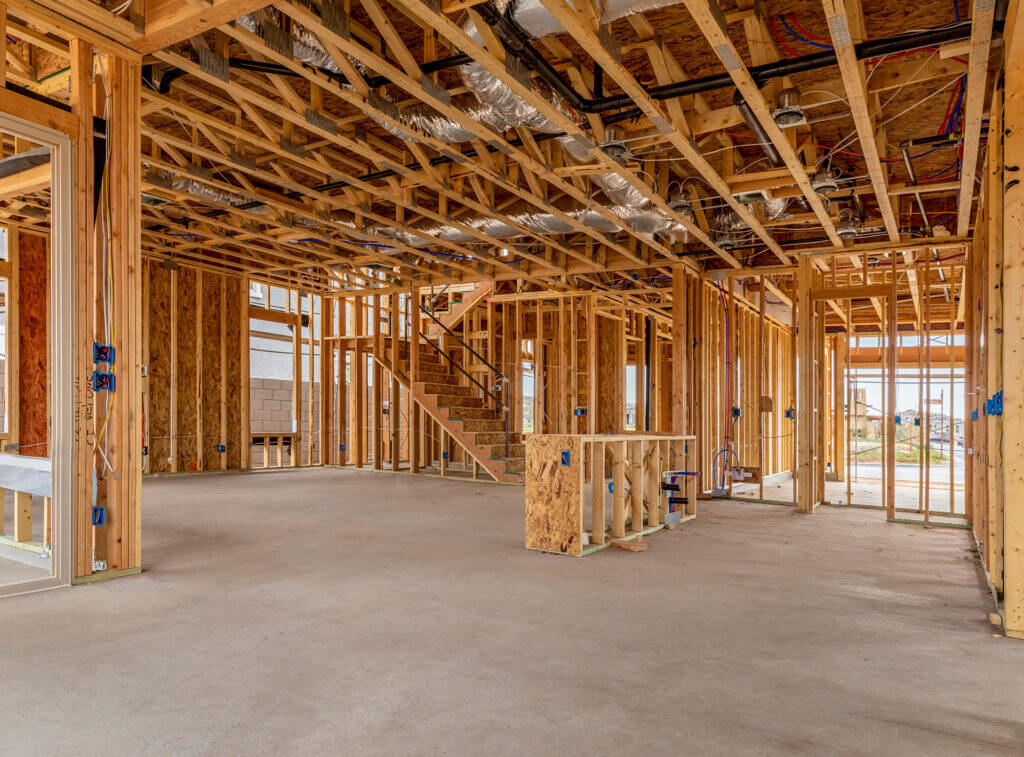
Whole home remodeling is a major opportunity to turn an outdated or poorly functioning house into a space that truly supports the way you live. Instead of updating one room at a time, a full home renovation allows you to improve layout, comfort, style, storage, efficiency, and long-term value all at once. It can also help your home feel more connected, especially if previous updates were done at different times and no longer match. With careful planning and the right remodeling team, your entire house can feel more beautiful, practical, and enjoyable from room to room.
Define Your Vision Before Work Begins
Before starting a whole home remodel, take time to define what you want your home to become. Think beyond surface updates and consider how each space should feel and function when the project is finished. You may want an open floor plan, larger kitchen, updated bathrooms, better natural light, improved storage, or a more modern design throughout the home. A clear vision helps guide every decision, from layout changes to finishes, and keeps the project moving in the right direction.
Understand Why You Are Remodeling
Every homeowner has a different reason for renovating an entire house. Some want to modernize an older home, while others need more space for a growing family or want to improve resale value. You may also be remodeling because the home no longer fits your lifestyle, feels closed off, or has worn-out materials that need replacement. Knowing your main reason helps you prioritize the upgrades that matter most and avoid spending money on changes that do not support your goals.
Set a Realistic Whole Home Remodeling Budget
A full house renovation includes many moving parts, so your budget needs to be detailed and realistic. Costs can include design, demolition, framing, plumbing, electrical work, flooring, cabinetry, countertops, fixtures, paint, permits, and labor. It is also smart to include a contingency fund for unexpected issues, especially if your home is older or has hidden damage behind walls, under floors, or in the attic. A professional remodeler can help you understand what is possible within your budget and where your money will make the biggest impact.
Decide Whether to Remodel All at Once or in Phases
One of the biggest decisions in whole home remodeling is whether to renovate everything at once or complete the project in phases. Remodeling all at once can create a more consistent design and may reduce repeated disruptions, but it often requires a larger upfront investment. Phased remodeling can make the project easier to manage financially, though it may extend the timeline and create temporary design gaps between finished and unfinished areas. Your contractor can help you choose the best approach based on your budget, schedule, household needs, and project scope.
Evaluate the Existing Floor Plan
A whole home remodel gives you the chance to fix layout problems that affect daily life. Many older homes have small, closed-off rooms, narrow hallways, limited storage, or kitchens that feel disconnected from living areas. Changing the floor plan can improve traffic flow, make rooms feel larger, and help the home function better for cooking, relaxing, working, and entertaining. Before removing walls or moving major systems, your remodeling team should evaluate the structure, plumbing, electrical lines, and load-bearing elements.
Prioritize the Kitchen and Bathrooms
Kitchens and bathrooms are often the most important spaces in a whole home renovation because they have the greatest effect on comfort and home value. An updated kitchen can improve storage, meal prep, seating, and connection to nearby living spaces. Bathroom upgrades can add privacy, better lighting, modern fixtures, improved ventilation, and a more relaxing feel. Since these rooms involve plumbing, electrical, cabinetry, tile, and waterproofing, they should be carefully planned early in the remodeling process.
Create a Consistent Design Style
When renovating your entire house, consistency matters. Flooring, paint colors, trim, lighting, hardware, cabinetry, and finishes should work together so the home feels connected instead of pieced together. This does not mean every room must look identical, but there should be a clear design direction that carries from one area to the next. A consistent style helps your home feel more polished and can make the renovation look intentional, timeless, and professionally planned.
Think About Lighting Throughout the Home
Lighting can completely change the way a home feels. A whole home remodel is the perfect time to replace outdated fixtures, add recessed lighting, improve natural light, and create better lighting plans for each room. Kitchens need task lighting, living rooms need comfortable ambient lighting, bathrooms need clear mirror lighting, and bedrooms benefit from softer, layered light. Good lighting improves both function and mood, making the entire home feel brighter, warmer, and more inviting.
Upgrade Electrical, Plumbing, and Mechanical Systems
A full home renovation is not only about what you can see. Behind the walls, your electrical, plumbing, HVAC, and ventilation systems may need updates to support modern appliances, lighting, fixtures, and comfort needs. Older homes may have outdated wiring, aging pipes, poor airflow, or inefficient systems that limit performance. Addressing these issues during the remodel can help prevent future problems and make your home safer, more efficient, and better prepared for long-term use.
Choose Flooring That Connects the Home
Flooring plays a major role in creating flow throughout a remodeled home. Using the same or complementary flooring in main living areas can make the house feel larger and more cohesive. Durable options like tile, luxury vinyl plank, engineered wood, and other high-performance materials are popular because they can handle daily wear while still looking attractive. When choosing flooring, consider pets, kids, moisture, cleaning needs, and how the material will transition between rooms.
Plan for Storage in Every Room
Whole home remodeling is the ideal time to solve storage problems. Built-in shelves, larger closets, custom pantry storage, mudroom cabinets, bathroom vanities, laundry room organization, and garage storage can all make daily life easier. Storage should be designed around how your household actually uses each space. When everything has a place, the home feels cleaner, calmer, and more functional.
Consider Energy Efficiency and Comfort
A whole home renovation gives you the chance to improve comfort and reduce energy waste. Better insulation, updated windows and doors, efficient lighting, modern HVAC systems, and smart thermostats can all make a noticeable difference. These upgrades can help keep your home more comfortable while also supporting lower energy use over time. Energy-efficient improvements may not always be the most visible part of a remodel, but they can add real value to everyday living.
Prepare for Daily Life During the Remodel
Renovating an entire house can disrupt your normal routine, especially if you plan to live in the home during construction. Dust, noise, limited access to rooms, temporary kitchen setups, and changing schedules are all part of the process. Before work begins, discuss the project timeline, work areas, safety precautions, storage of belongings, and communication expectations with your contractor. Good preparation can make the remodeling experience more manageable and reduce stress for your household.
Work With an Experienced Whole Home Remodeler
Whole home remodeling requires careful coordination between design, demolition, construction, electrical, plumbing, flooring, cabinetry, painting, and finishing trades. An experienced remodeling company can help manage the process, solve problems, and keep the project aligned with your goals. They can also help you make smart decisions about layout, materials, permits, and project sequencing. Choosing the right remodeler is one of the most important steps in protecting your investment and achieving the result you want.
Final Thoughts on Whole Home Remodeling
A whole home remodel is a big project, but it can completely change how your house looks, feels, and functions. By defining your goals, setting a realistic budget, improving the layout, updating important systems, and choosing a consistent design style, you can create a home that works better for your everyday life. The key is to plan carefully before construction begins and partner with professionals who understand the full scope of the renovation. With the right approach, your remodeled home can feel fresh, comfortable, efficient, and built for the future.